
Info, news & debate
Recent Posts

Spain’s election means the ‘political landscape has changed forever’? No, not at all
Yesterday’s general election in Spain ended the domination of Spanish politics by the Popular Party (PP) of the ‘right’ and the Socialist Party of the ‘left’, who between them have formed all the Spanish governments of the last 30 years.
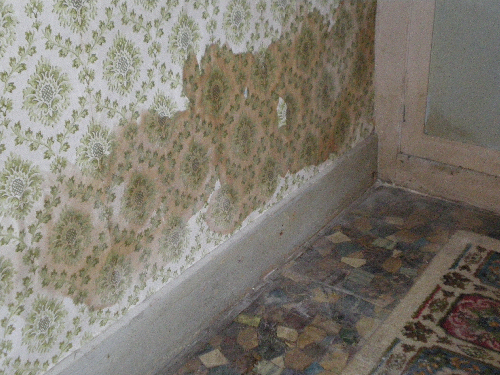
Unless your house is old, you probably don’t have rising damp, and if you do, modern damp-proofing methods probably won’t work
Twentieth-century homes tend to contain a lot of non-breathable materials – cement, metal, plastics, impervious paints and renders. Damp-proof barriers prevent rising damp, but the sealed, waterproof, non-breathable approach of modern building brings its own problems
How superstores destroy jobs and local resilience
A report by the National Retail Planning Forum (partly financed by supermarkets) found that in a catchment of 15km around 93 new superstores, around 10,000 new retail jobs were created and 35,000 destroyed – a net loss of 25,000 retail jobs (full-time equivalent).
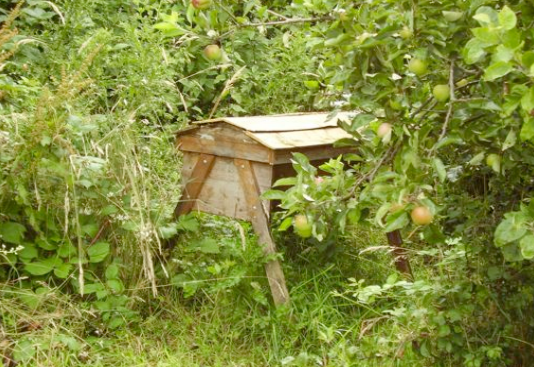
Build your own top bar beehive
Here’s a woodwork project for you. If you want to know what a top bar beehive is, see our beekeeping topic introduction – but basically, it’s a relatively new style of beehive that mimics a space that bees would seek out for themselves naturally

The ridiculous (and hilarious) philosophy of Karl Lagerfeld
You probably don’t know who he is and to be honest, neither did I – I just came across his ‘philosophy’ (he calls his quotes ‘Karlisms’) and found it hilarious. He’s the head designer of fashion house Chanel, and so I don’t suppose you’d expect anything particularly deep from him.
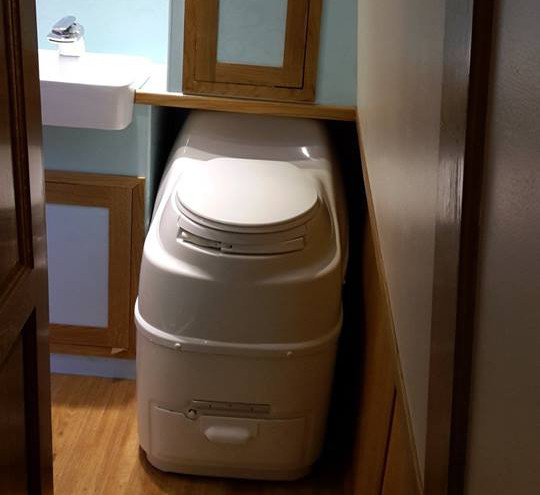
Can I have a compost loo instead of a chemical toilet in a camper van or a narrowboat?
First of all, why would you want to do that in the first place? Well, it’s because of the toxic nature of the chemicals used in chemical toilets – but we’ll blog about that later. For now, let’s talk about whether there’s an alternative.
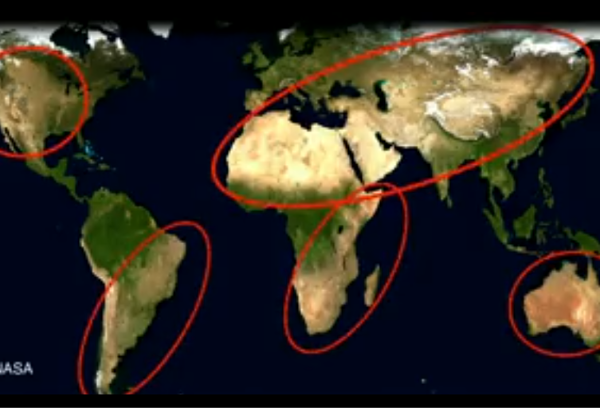
Can constantly-moving livestock help prevent desertification?
Desertification is the process whereby grasslands slowly turn into deserts, and suggesting that we can help reverse this process with livestock sounds counter-intuitive, especially as livestock is usually named as one of the major contributors to desertification. In the video below, Allan Savory, who has spent a lifetime studying and working towards poverty eradication and wildlife conservation, …

Take back the city – if you’re not “proud that London is the natural habitat of the billionaire”
People of Britain, are you proud that your capital city is geared towards attracting billionaires (that’s a quote by Boris Johnson by the way)?

TTIP: investor-state dispute settlement (ISDS) may be illegal under EU law
ISDS is a legal instrument within international trade treaties that allows corporations to sue elected governments if they introduce legislation that can be shown to be detrimental to the profits of corporations active in their country.
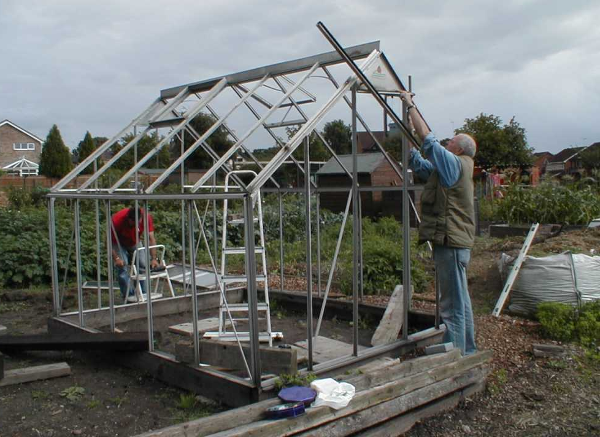
How to buy, dismantle and re-build a second-hand greenhouse
A large good quality greenhouse can cost anything from £500 to well over £1,000, which can make a substantial dent in anyone’s budget. So, having decided that I really wanted a greenhouse, I scoured the local papers “for sale” columns.
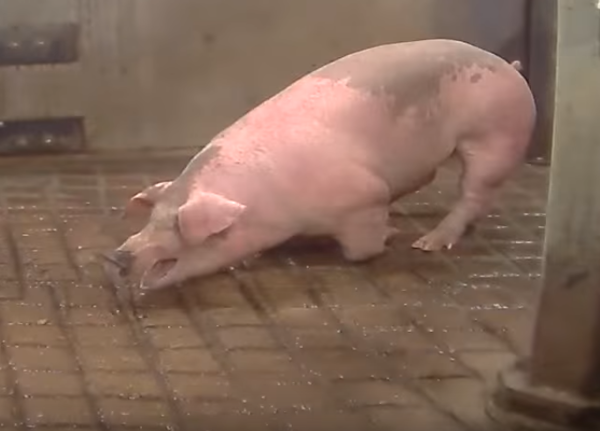
Corporate cruelty
This particular corporate cruelty is down to Hormel (industrial food corporation and makers of Spam) and highlighted in a secret video made by Compassion Over Killing. But Hormel are not the only corporation involved in these kinds of practices.
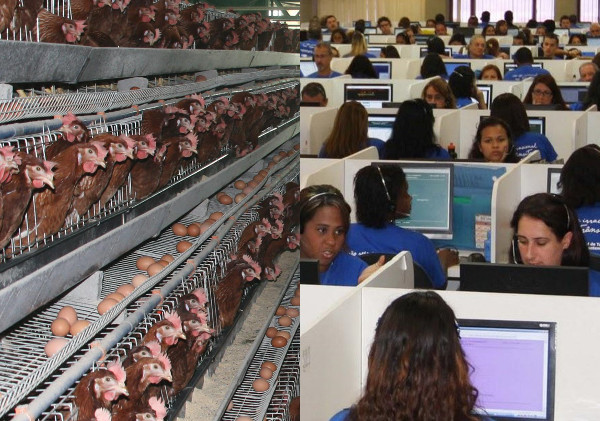
What might poultry farms and human society look like if chickens and humans weren’t treated as machines to maximise profit?
Making use of biological resources, or renewable resources and services as David Holmgren characterises them, is an important principle of Permaculture Design. ‘Renewable services (or passive functions) are those we gain from plants, animals and living soil and water without them being consumed.’
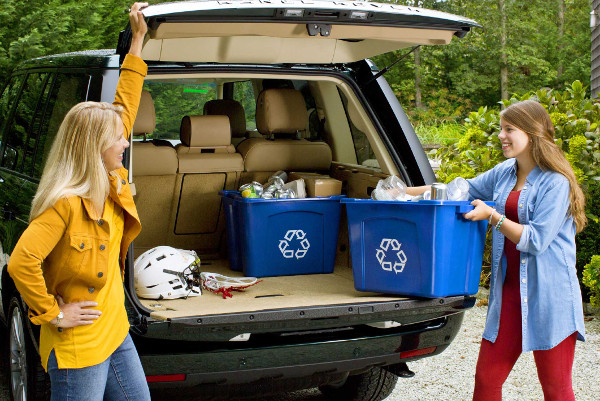
To all environmental groups: lifestyle change isn’t going to be enough to avert ecological catastrophe
Someone said to me the other day that he associated ‘low-impact’ with lifestyle but not with politics or economics. Someone else asked why we blogged about TTIP, economic growth or system change when we were ‘just’ an environmental organisation.
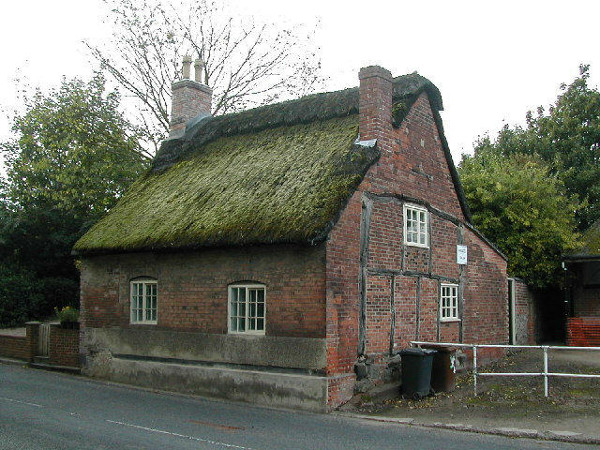
Should I remove moss from my roof?
Removing the moss from your roof is a topic that is widely debated. Does it do more damage to leave the moss growing on your tiles or does removing it harm your roof even more?
Sweden has ‘decoupled’ carbon emissions and economic growth? Why this is a lie
There was a report on the World Service this morning about how Sweden has decoupled carbon emissions from economic growth. Sweden’s economic growth in the last 25 years totals 60%. Its carbon emissions in the same time period are down 20%. So that’s it, isn’t it – the Holy Grail?
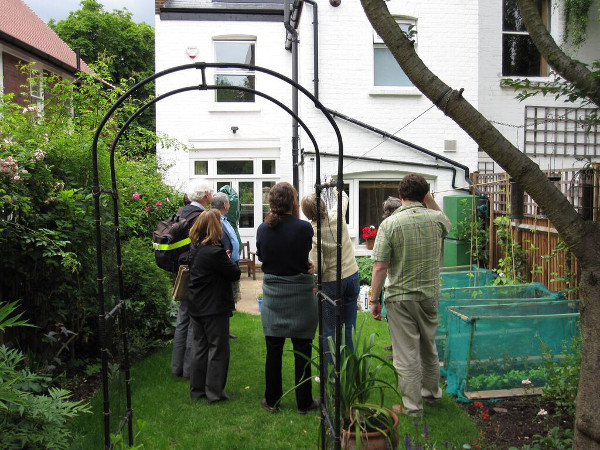
Retrofitting existing houses for energy efficiency: learn how at ‘open house’ events around the country
The UK’s Federation of Open Home Networks believes the homes of the future will necessarily be dramatically improved older homes. Our homes accounted for 22% of the UK’s greenhouse gas emissions in 2014.
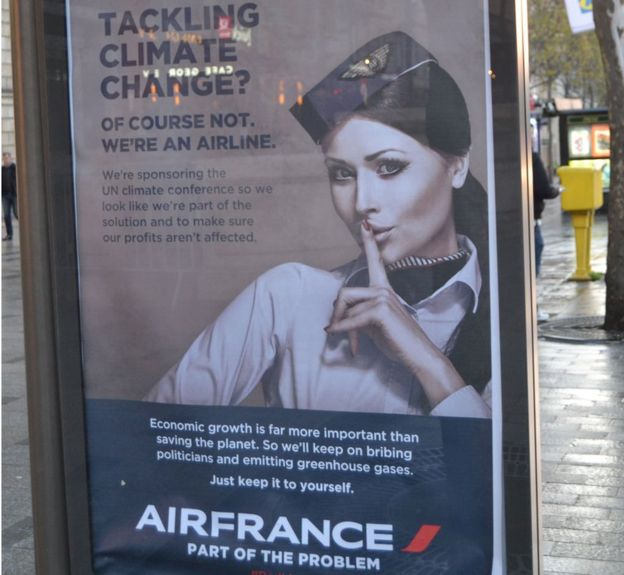
Hats off to Brandalism for exposing corporate greenwash
Genius campaign by a group called Brandalism. They managed to get around 600 spoof but corporate-looking adverts all over Paris in time for the climate talks. The fake ads were the work of 82 artists from 19 countries, and they parody the companies involved in sponsoring the climate talks.
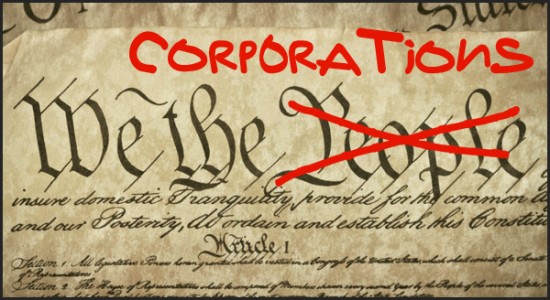
Corporations suing elected governments for introducing laws that reduce their profits isn’t new, but TTIP will make it much worse
It’s called Investor-state Dispute Settlement (ISDS), and it’s a mechanism whereby corporations can sue governments that introduce legislation that they claim reduce their potential to make profit – for example, requiring plain packaging for cigarettes (Australia and Uruguay sued)
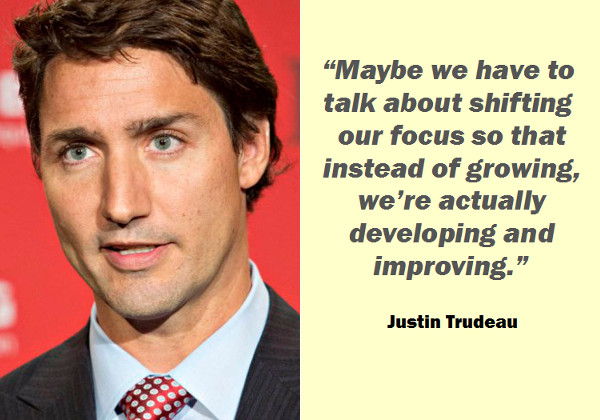
Leader of a major Western country questions perpetual economic growth shock!
Lowimpact.org has campaigned since 2001 for stabilisation of the global economy. Our aim is to help shift humanity towards a way of being on this planet that doesn’t destroy the biosphere. And that’s not possible without stabilising the economy.
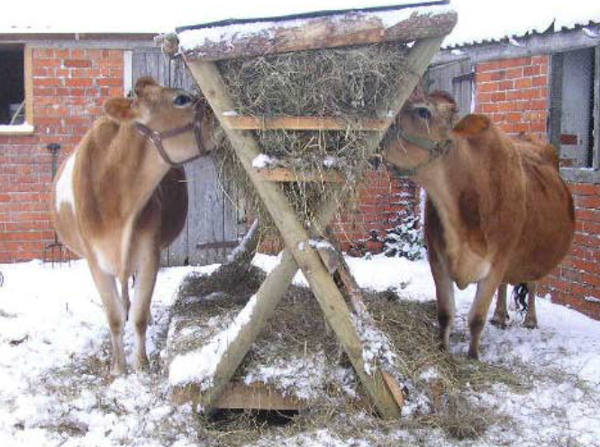
Nanodairies gathering: for people keeping or looking to keep up to four cows
Information sharing event for people who keep from one to four dairy cows, and a training course for people who are planning to do this. Focussed uniquely on cows, not on goats or sheep. 25 & 26 February, 2016, at Monkton Wyld Court, Charmouth, Dorset.